Padma Besha
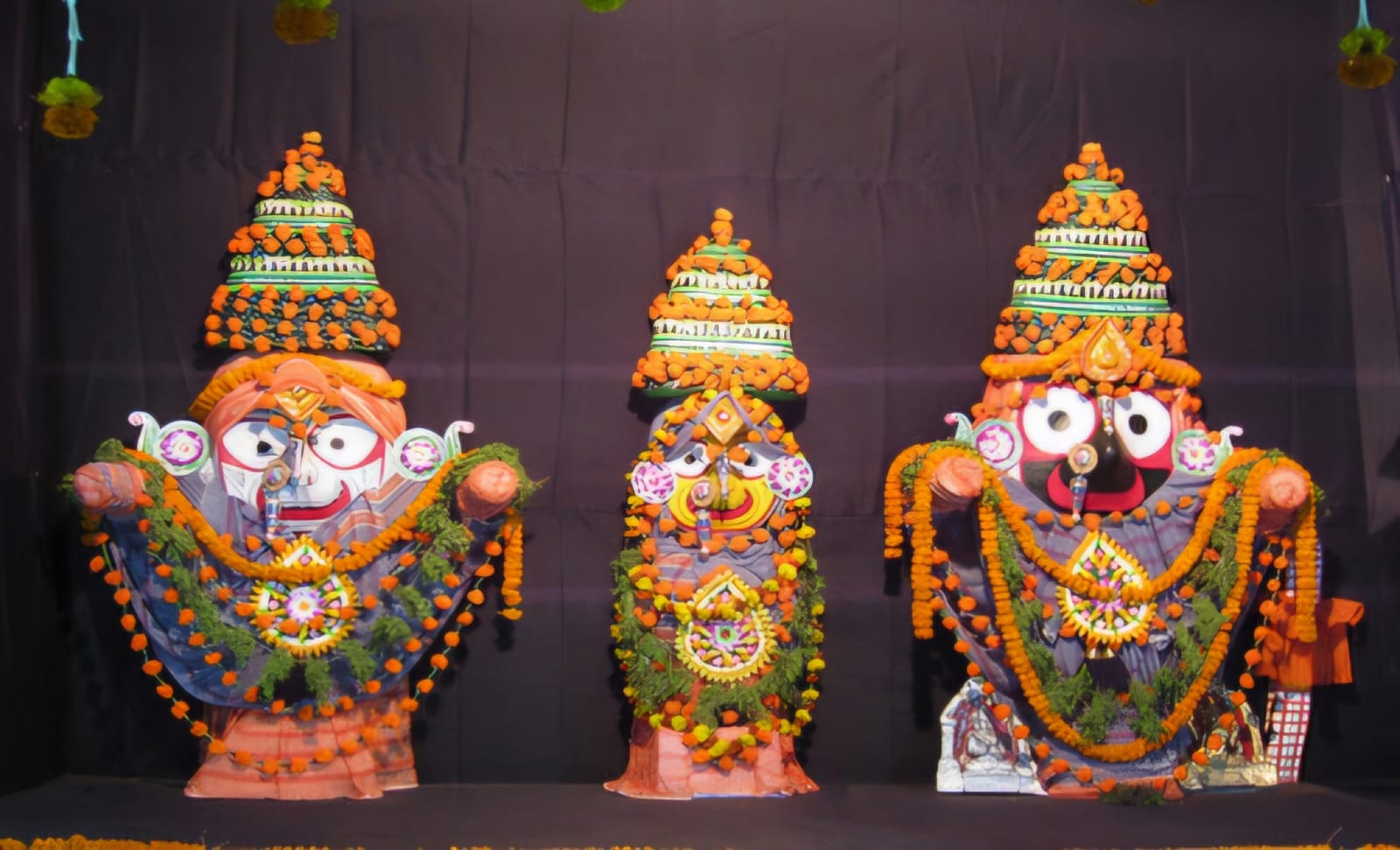
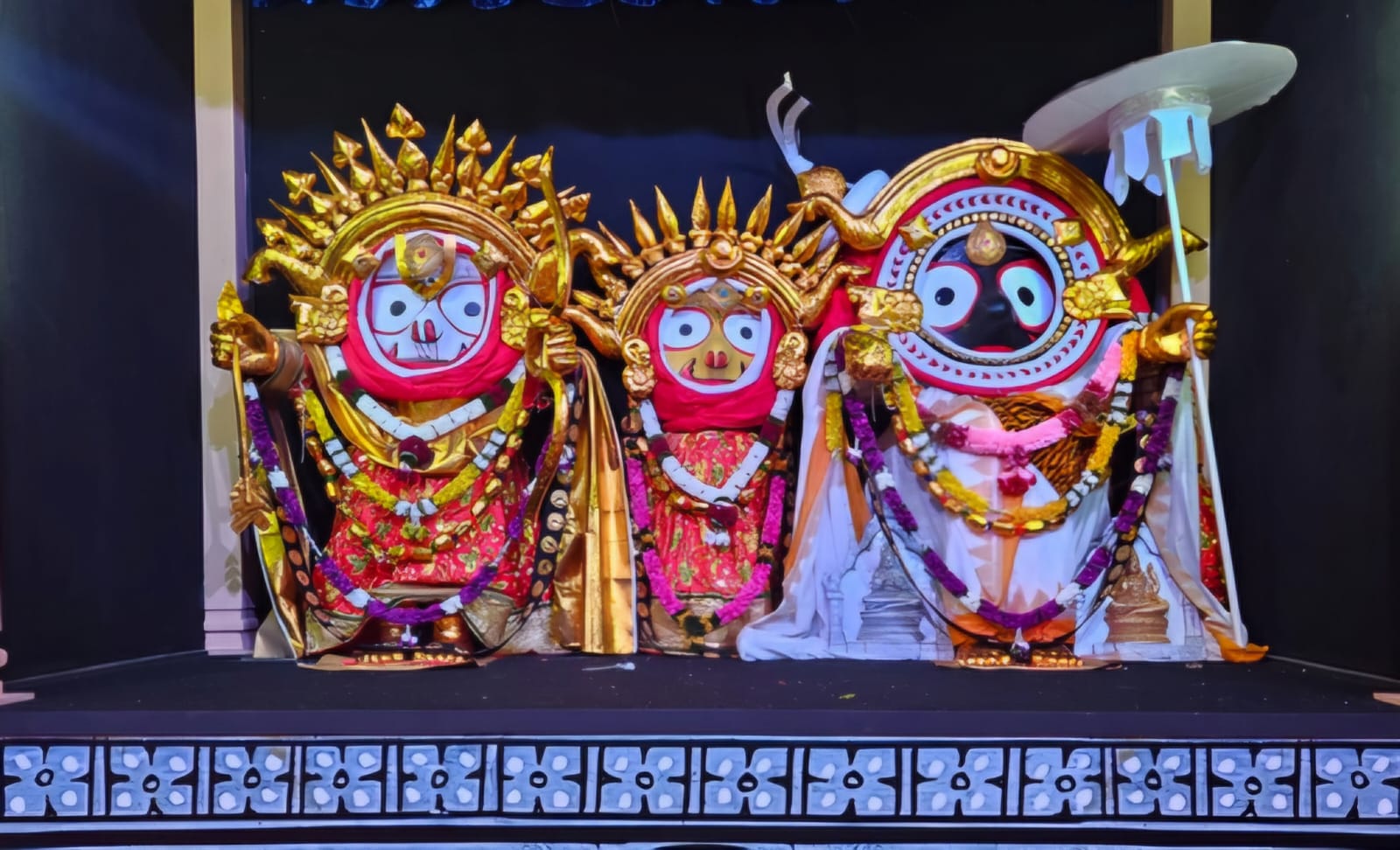
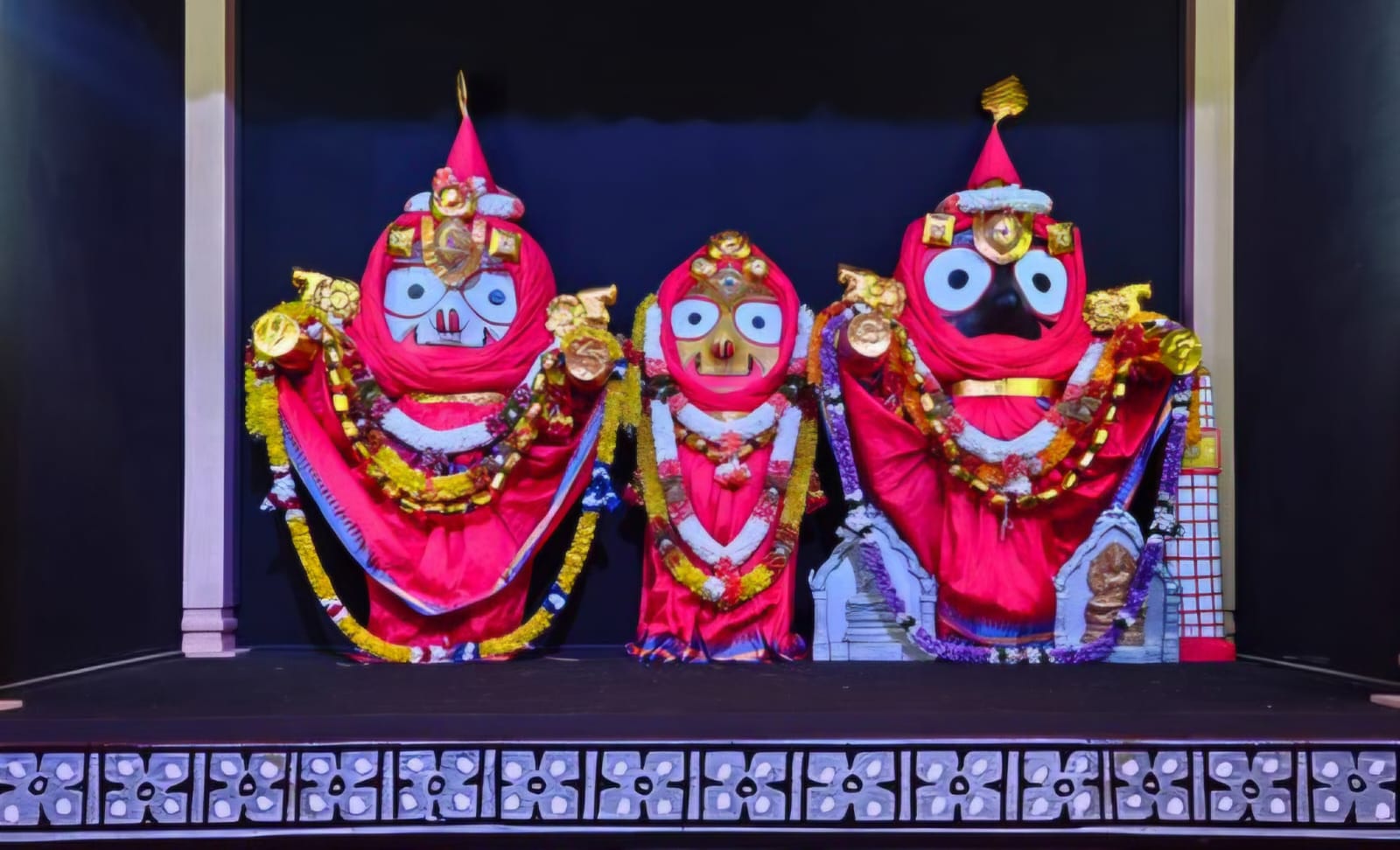
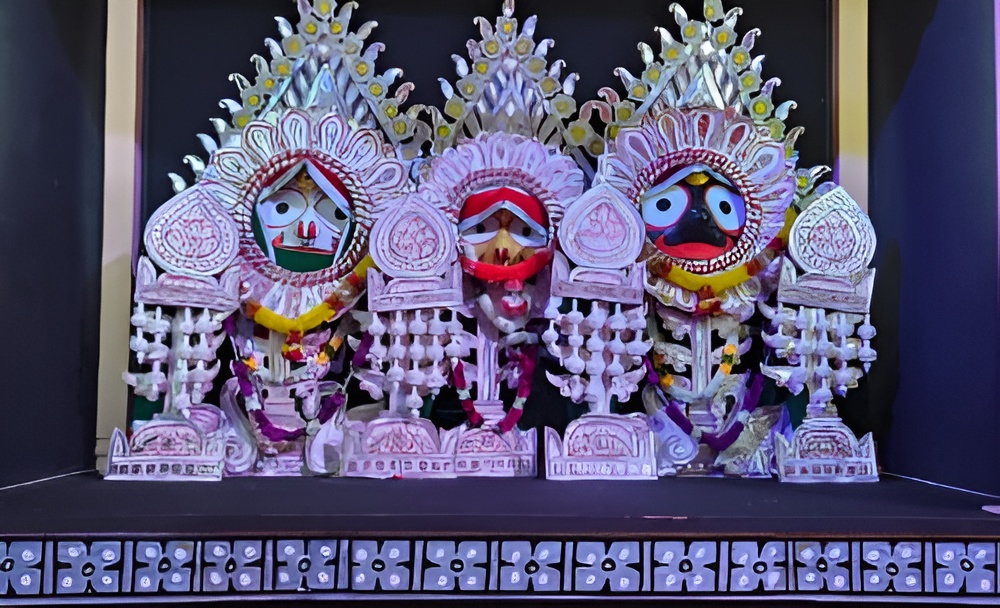
Padma Besha of Jagannath is a beautiful decoration where the deities are adorned with lotus flowers (Padma) at the Jagannath Temple.
when this besha observed?
It is observed in the month of Magha (January–February), specifically on a Wednesday or Saturday that falls between Magha Amavasya (new moon) and Vasanta Panchami, when Lord Jagannath, Balabhadra, and Subhadra are decorated with many lotus flowers, symbolizing purity, beauty, and divine grace.
The story behind Padma besha .
According to legend, hundreds of miles away from Utkal (Odisha), there lived a Hindi-speaking saint named Manohar Das. Once, the great devotee set out for Shrikshetra (Puri) with a deep desire to have darshan of Lord Jagannath, the Supreme Purushottama.
With intense devotion, he walked for many days on foot, crossing forests, hills, rivers, and rough roads. Despite physical pain and hardship, he continued steadfastly. At night, he would rest in temples, monasteries, ashrams, or under trees along the way.
During his journey, he once felt extremely thirsty. There was no village or water source nearby. After walking some distance, he suddenly saw a pond filled with blooming lotus flowers. He was astonished, as lotus flowers do not usually bloom in the winter season. Remembering Lord Jagannath in his heart, he drank water and plucked some of the lotus flowers from the pond to offer to the Lord. He wrapped them in a dirty cloth (gamucha) and continued his journey.
On the day of Magha Amavasya, he finally reached the Shree Jagannath Temple and requested the priests to offer his lotus flowers at the holy feet of the deities. Seeing the dry lotus flowers wrapped in a dirty cloth, the temple priest (Panda) scolded him and said that such flowers were not fit to be offered to the Lord.
Deeply hurt and humiliated, the devotee Manohar Das gathered the fallen flowers and left the temple in sorrow. Near Bada Chhata Matha, remembering Lord Jagannath, he fainted.
That very night, Lord Jagannath appeared in a dream to the Gajapati Maharaja and instructed him:
“Today, My Bada Singhar Besa (grand decoration) shall be done only with the lotus flowers brought by Manohar. Prepare kheer (sweet rice pudding) from lotus rice as offering and serve it to that saint to save his life.”
From this legendary incident of devotee Manohar Das offering lotus flowers to Lord Jagannath, it is traditionally observed that during the month of Magha, Lord Jagannath is adorned in this special attire wearing lotus flowers made of sola (pith material).
Special Features of Padma Besa (Lotus Attire)
Observed Once a Year
Padma Besa is celebrated only once annually, between Magha Amavasya and Vasant Panchami (on a Wednesday or Saturday).
Lotus Decoration (Padma Alankara)
The deities are beautifully adorned with numerous lotus flowers made of sola (pith material). The entire decoration highlights the lotus theme.
Connected with Devotee Manohar Das
The tradition is linked to the legend of devotee Manohar Das, who offered lotus flowers to the Lord with deep devotion.
Simple yet Divine Appearance
Compared to grand golden or royal besas, Padma Besa is devotional and aesthetic, focusing mainly on floral beauty.
Pahuda in Padma Besa
This is the only day in the year when Mahaprabhu goes to night rest (Pahuda) in Padma Besa itself.
Historical Association
Some researchers believe the practice was introduced by Saint Raghubar Das of Bada Chhata Matha in the 17th century.
Seasonal Significance
The lotus decoration symbolizes purity and divine beauty and marks the spiritual transition toward the spring season.
Keywords:
padma besha
lotus
Tags:
flower
devotional