Makara Chaurasi Besha
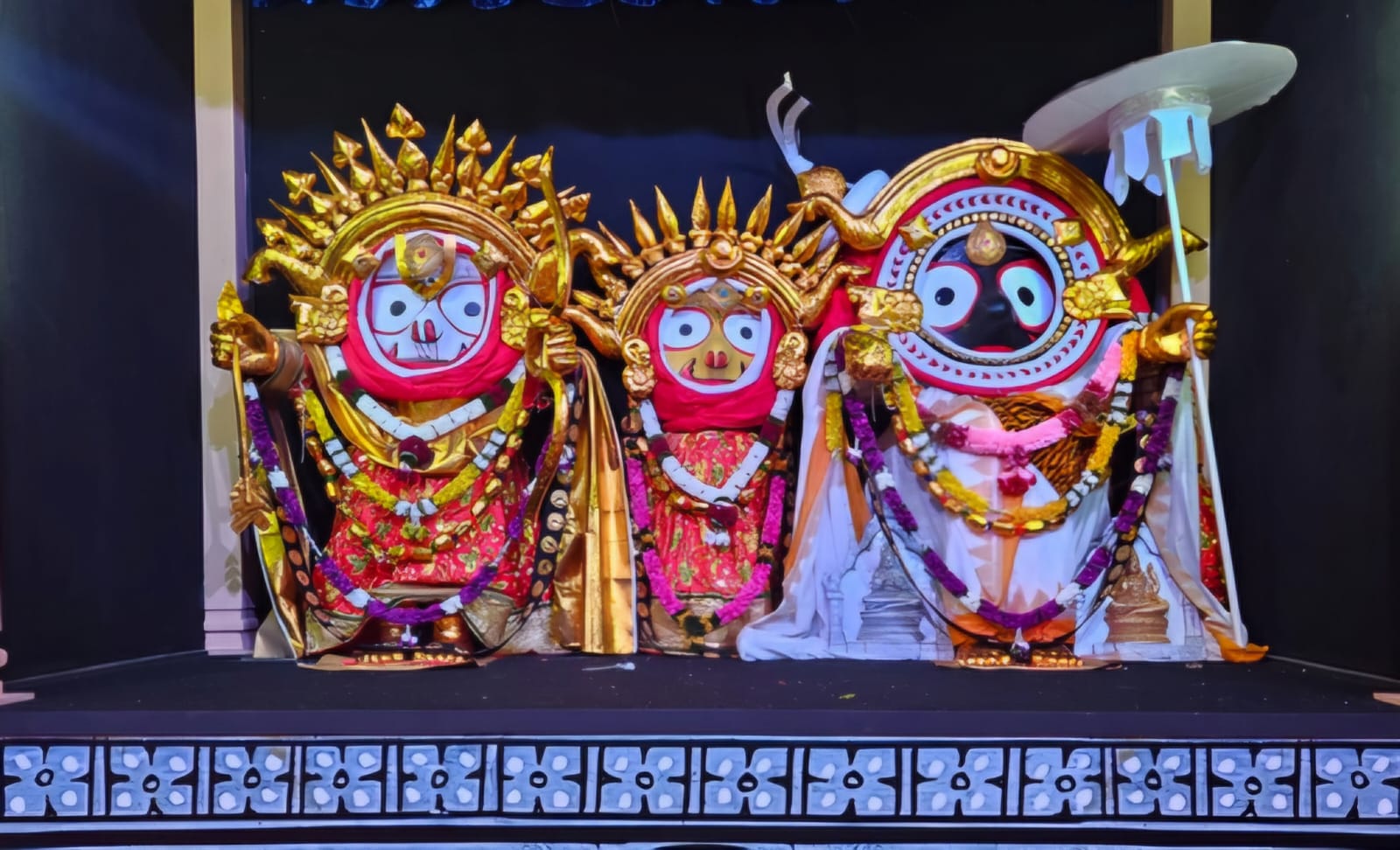
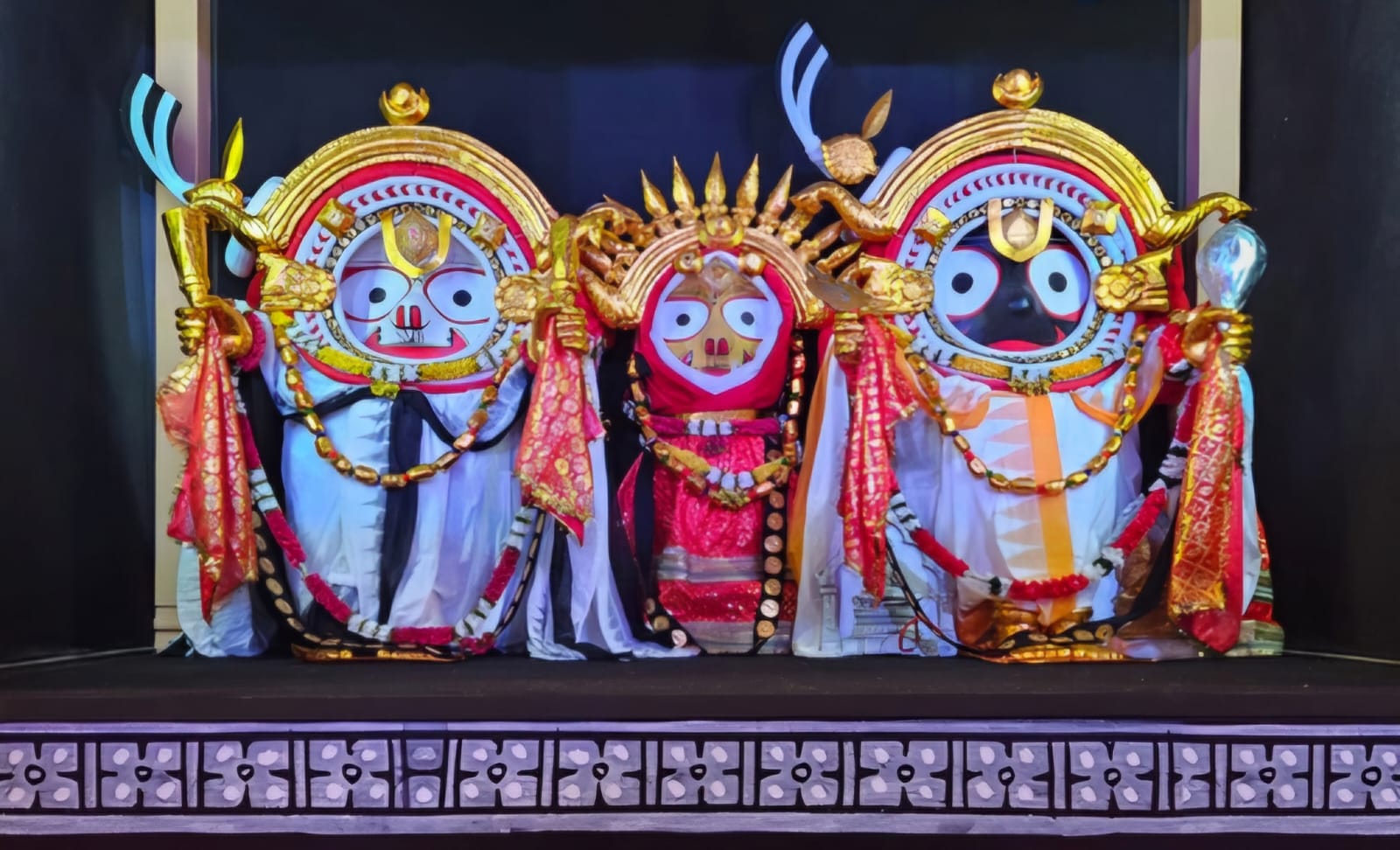
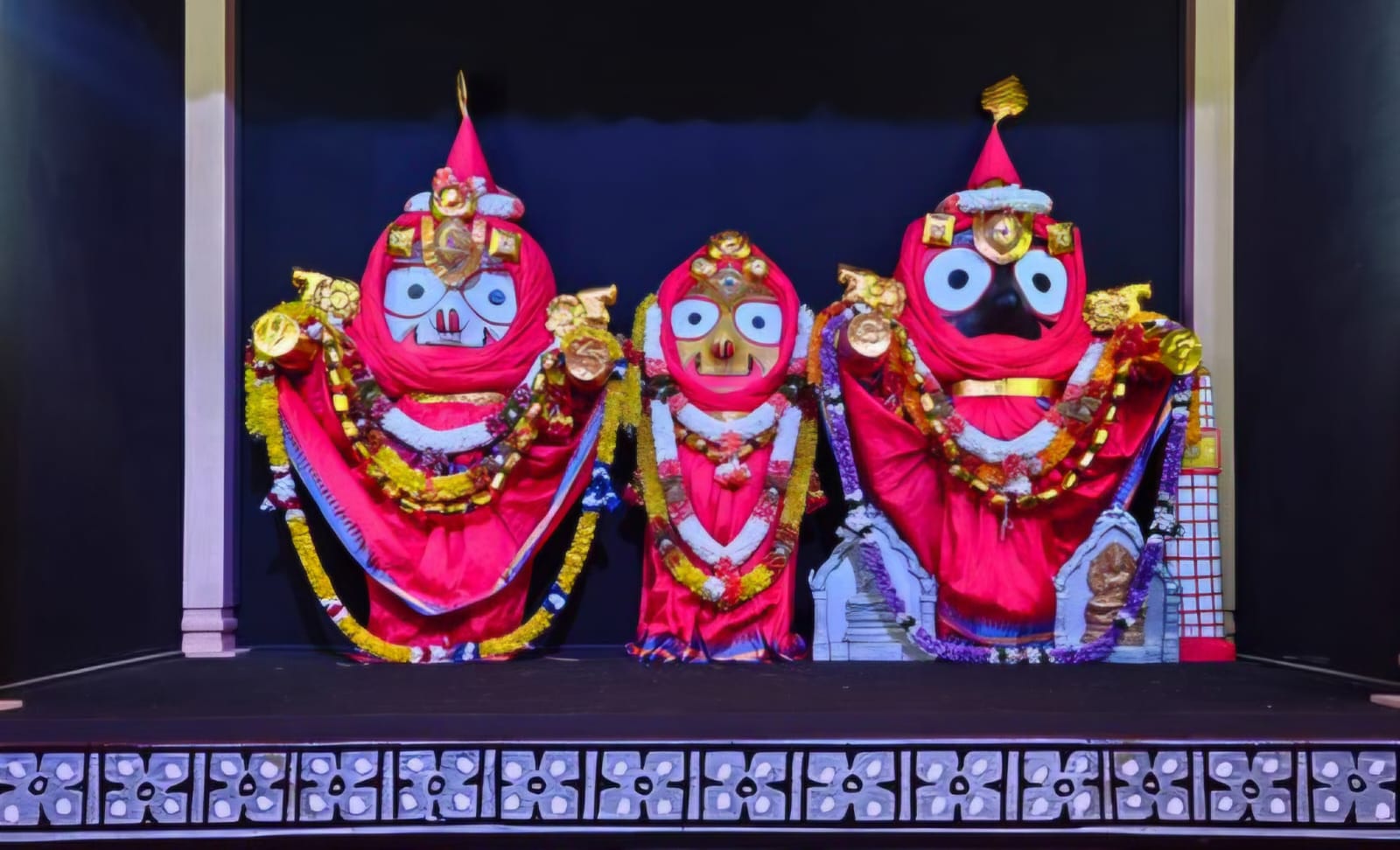
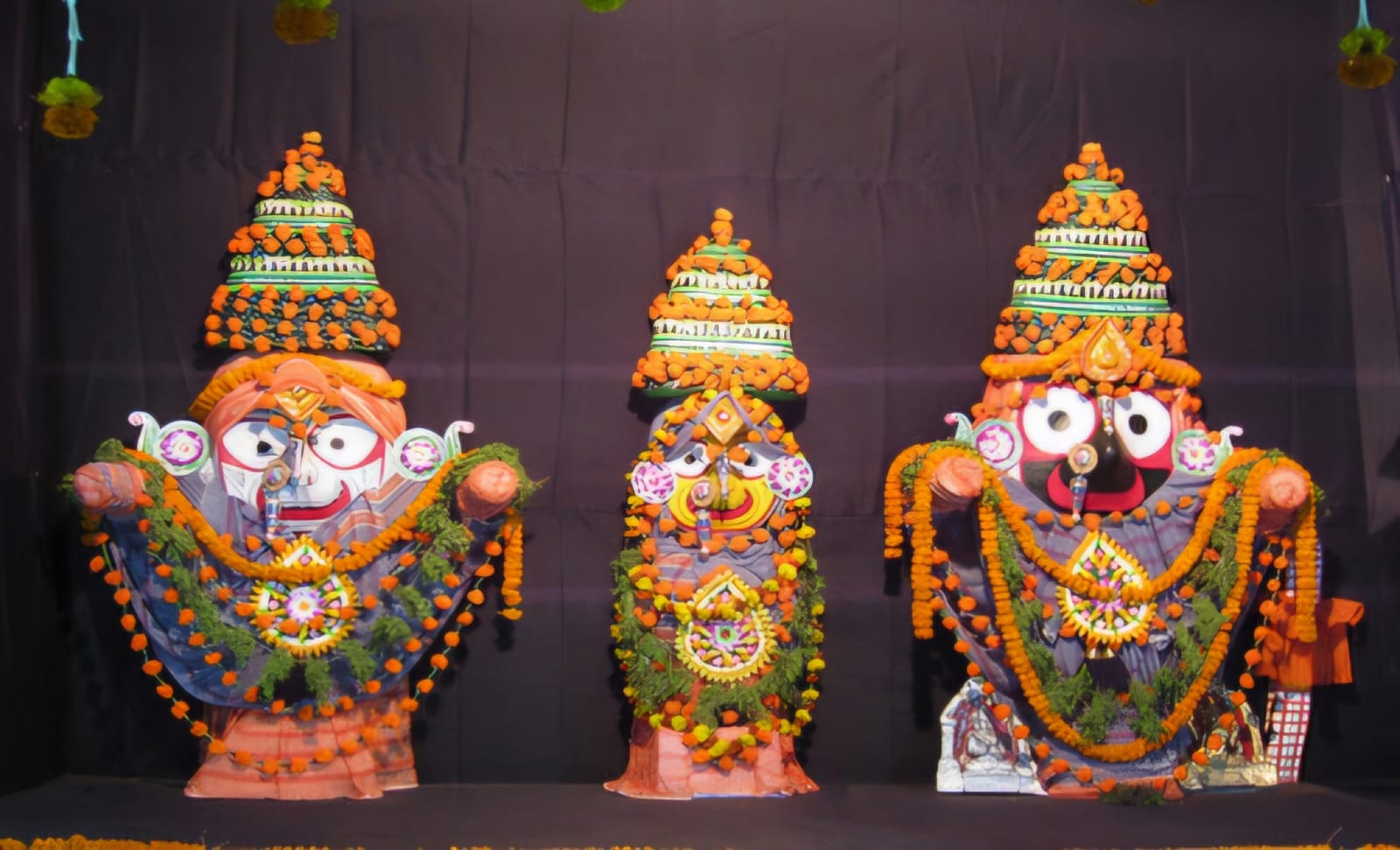
Makara Chaurasi Besha is a special attire of Lord Jagannath observed at the Jagannath Temple on the occasion of Makara Sankranti. On this day, Jagannath, Balabhadra, and Subhadra are decorated with special winter clothes and ornaments. The deities are offered Makara Chaula, a traditional sweet preparation made of newly harvested rice, coconut, banana, jaggery, and other ingredients. This besha symbolizes the celebration of the harvest season and devotion to Lord Jagannath.
When this Besha observed?
Makara Chaurasi Besha of Lord Jagannath is observed on the day of Makara Sankranti (Pausha month sankranti) at the Jagannath Temple.
About Makara Chaurasi Besha :
According to temple tradition and Hindu scriptures, this besha is connected with the worship of Lord Vishnu and Lord Shiva during the sacred period of Magha month. On Makara Chaurashi, devotees observe fasting and perform night worship, believing that divine blessings are especially powerful on this day.
In the Jagannath temple tradition, Lord Jagannath is decorated in a special form known as Makara Chaurashi Besha, symbolizing the protective and auspicious power of Lord Vishnu. The decorations include sacred ornaments and floral arrangements prepared by the temple servitors.
Special Features of Makara Chaurasi Besha
Observed on Makara Sankranti period
This besha is celebrated around Makara Sankranti, when the Sun enters the zodiac sign Makara (Capricorn).
Connection with winter rituals
The besha is performed during the Ghodalagi period, when the deities wear warm clothes in winter.
Use of special winter ornaments
The deities are decorated with Makara-shaped ornaments and special garments, giving the Lord a unique appearance.
Association with Makara Chaula offering
On this occasion, a special food offering called Makara Chaula (a mixture of rice, banana, coconut, jaggery, and other ingredients) is offered to the Lord.
Decoration with rare flowers and ornaments
The deities are decorated with special flowers, ornaments, and traditional garments, making the besha visually distinctive.
Spiritual significance
The besha symbolizes prosperity, seasonal change, and divine blessings as the Sun begins its northward journey (Uttarayana).