Krishna Balarama Besha
Krushna Balarama Besha is a special attire of the deities in the Jagannath Temple. In this besha, Lord Jagannath and Balabhadra are dressed to represent Krishna and Balarama of Gokula. The decoration symbolizes their childhood pastimes and brotherly bond. Devotees worship this besha to remember the divine leelas of Krishna and Balarama.
When this Besha observed?
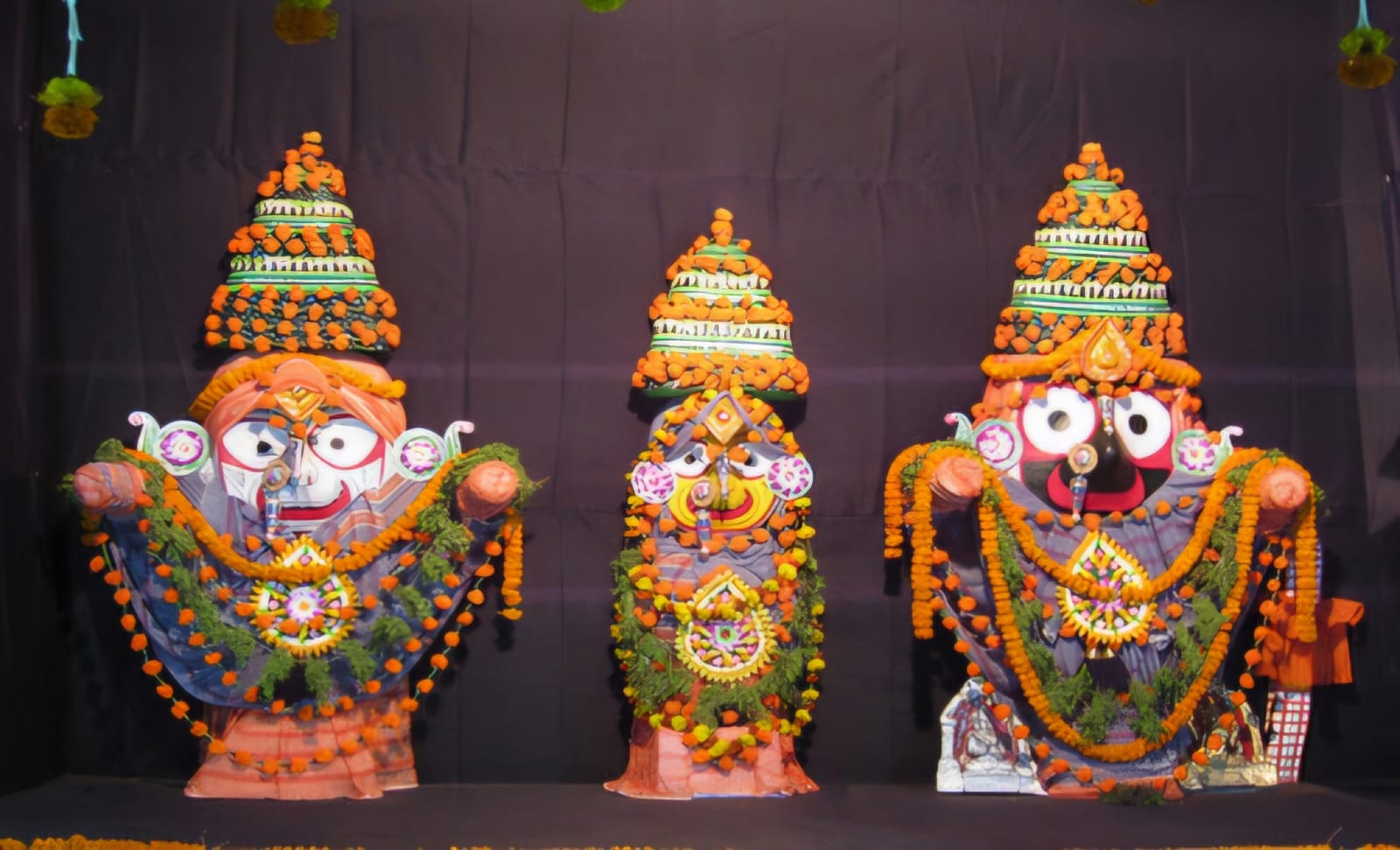
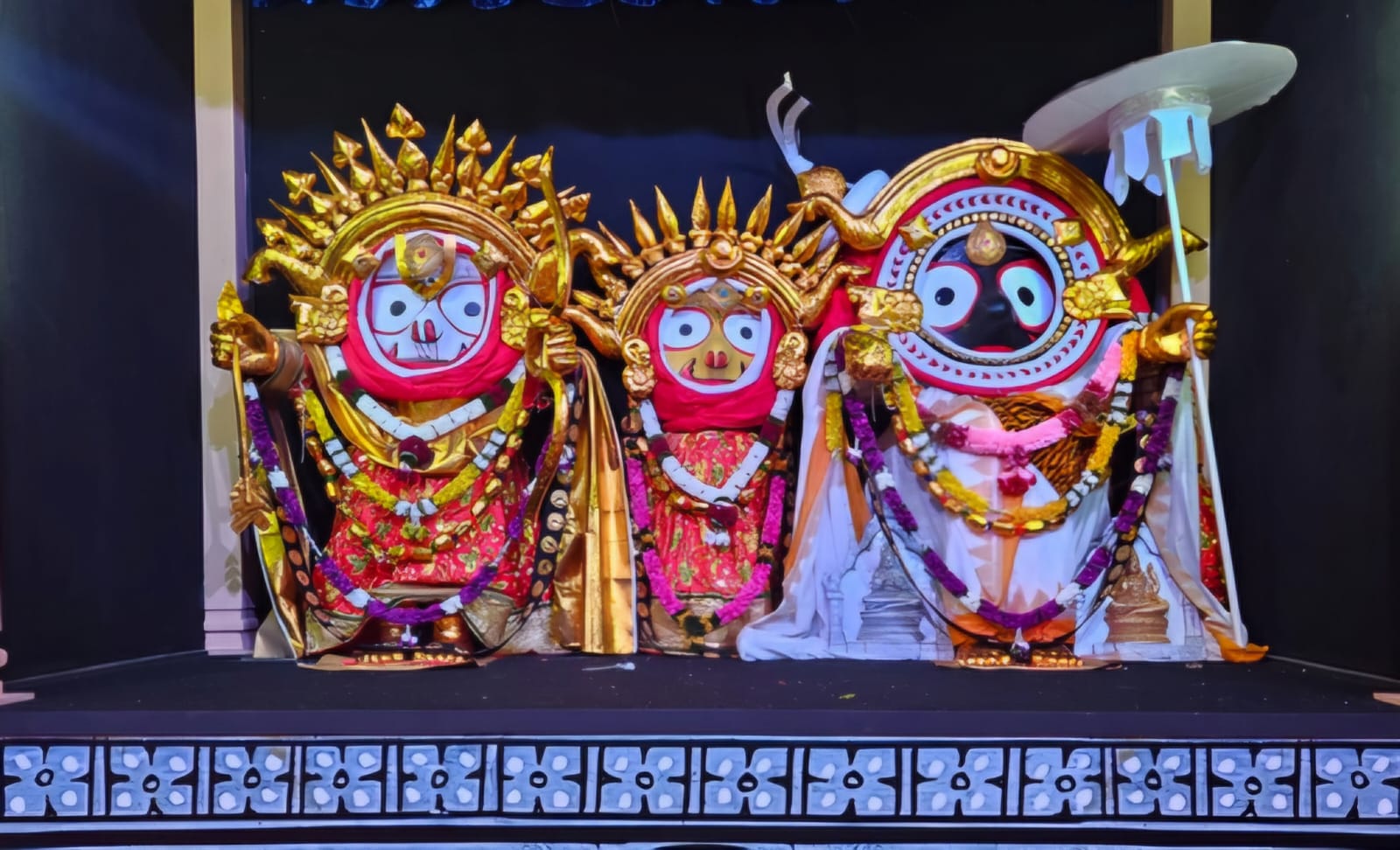
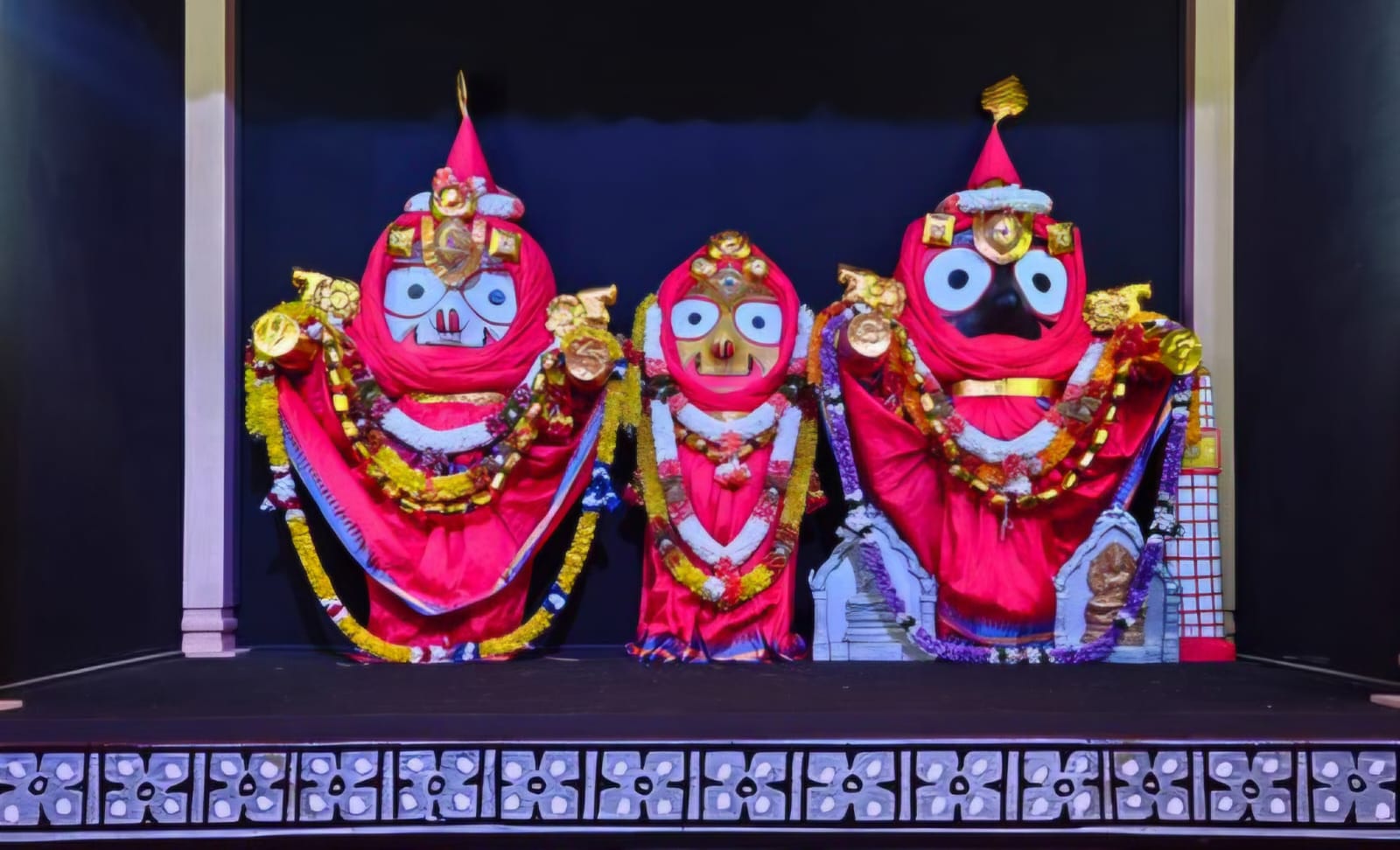
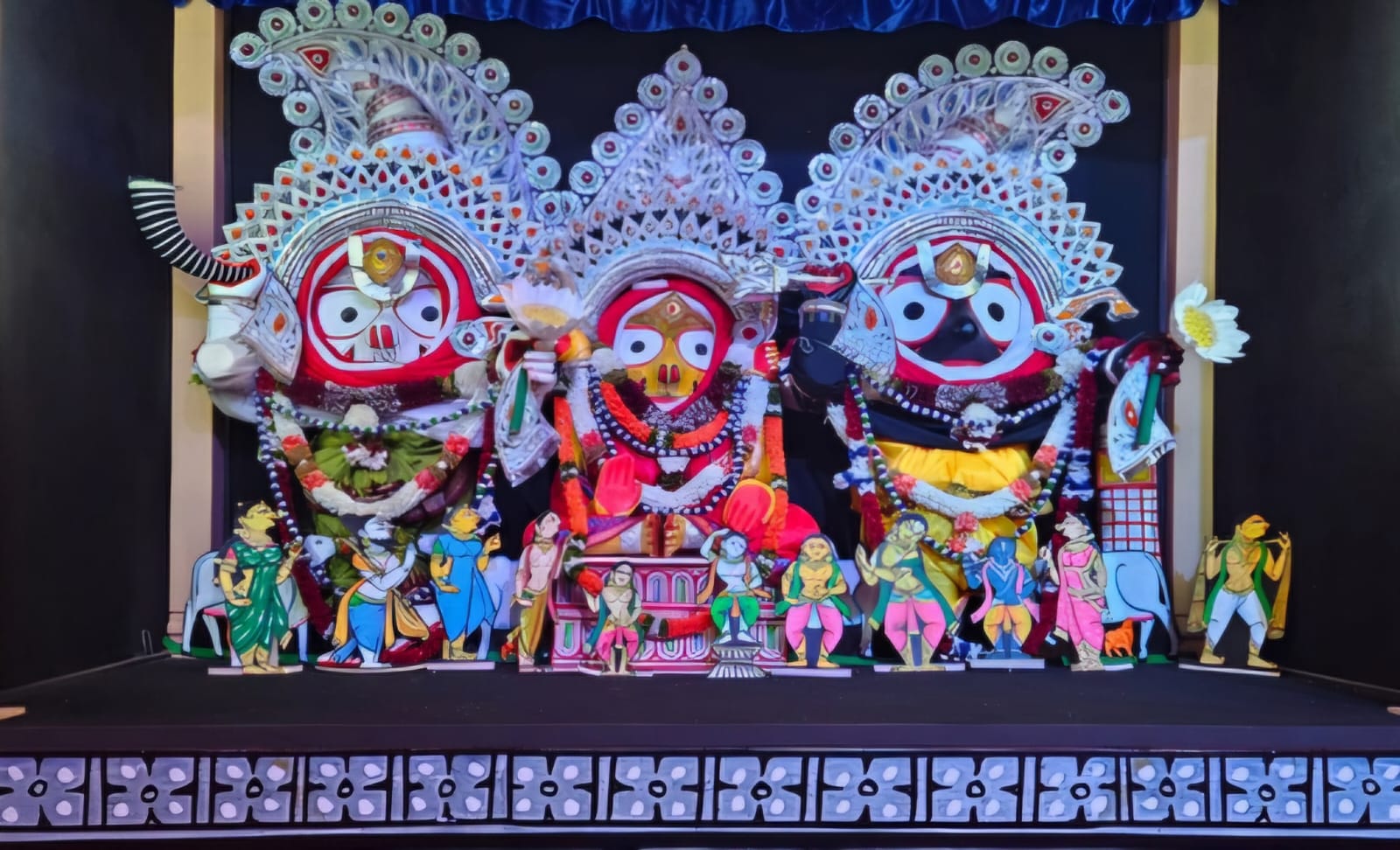
On the Trayodashi tithi of Krishna Paksha in the month of Bhadra, the final attire (Besha) of the childhood pastimes of Krishna and balaram is observed at the Jagannath Temple. On this occasion, the deities give darshan in the Krishna–Balarama Besha.
About Krishna Balaram Besha :
The Krishna–Balarama Besha of the deities observed on Bhadra Krishna Trayodashi at the Jagannath Temple began about 76 years ago. Earlier, on this day the Giri-Teka Besha (Govardhan related attire) used to be performed, but due to certain specific reasons it could no longer continue.
Ray Saheb Chaudhari Gopabandhu Mishra of Khanda Sahi village in Salepur of Cuttack district had no children. In 1943, after praying to Lord Jagannath, he was blessed with a son. At the request of the late Sadashiva Rath Sharma and the Pushpalaka servitor Alekh Kar, the zamindar agreed to revive the discontinued Giri-Govardhan Besha.
They then went to the Bada Odia Matha to purchase the materials required for that Besha and contacted the math authorities. However, the then Mahant Maharaj mentioned that various obstacles were occurring in performing that Besha. Therefore, it was finally decided that the deities would instead be adorned in the Krishna–Balarama Besha.
Later, in 1947, according to the royal order (Hukumnama) of the Gajapati King of Puri, this Besha began to be performed every year on Bhadra Krishna Trayodashi. After the death of Ray Saheb Gopabandhu Mishra, his successors have continued to sponsor this Besha.
This Besha is therefore considered a Yajamani Besha (a Besha sponsored by a particular patron family)
The special features of Krishna–Balarama Besha:
Final Besha of Krishna’s Childhood Pastimes
This Besha marks the last Besha of the Balya Leela (childhood pastimes) of Krishna performed in the temple during the Bhadra month.
Appearance of the Deities In this Besha:
Jagannath is decorated in the form of Lord Krishna.
Balabhadra is decorated in the form of Lord Balarama.
Subhadra is adorned as Yogamaya.
Special Ritual after Madhyahna Dhupa
The Besha is performed after the Madhyahna Dhupa (midday offering of food) with special temple rituals.
Unique Form of the Deities
In this Besha, Lord Jagannath and Lord Balabhadra appear with two arms, while Goddess Subhadra is decorated with four arms (Chaturbhuja form).
Representation of Vrindavan Atmosphere
The Besha reflects the cowherd life of Krishna and Balarama in Vrindavan, symbolizing their childhood pastime of grazing cows and calves.
Yajamani Besha Tradition
This Besha is a Yajamani Besha, meaning it is traditionally sponsored by a particular devotee family whose descendants continue the service.
Introduced in the 20th Century
The Besha started around 1947 following the order of the Gajapati King of Puri and replaced the earlier Giri-Govardhan Besha on that day.
Keywords:
krishna balarama
vrindavan
Tags:
leela
devotional