Pralambasura Vadha Besha
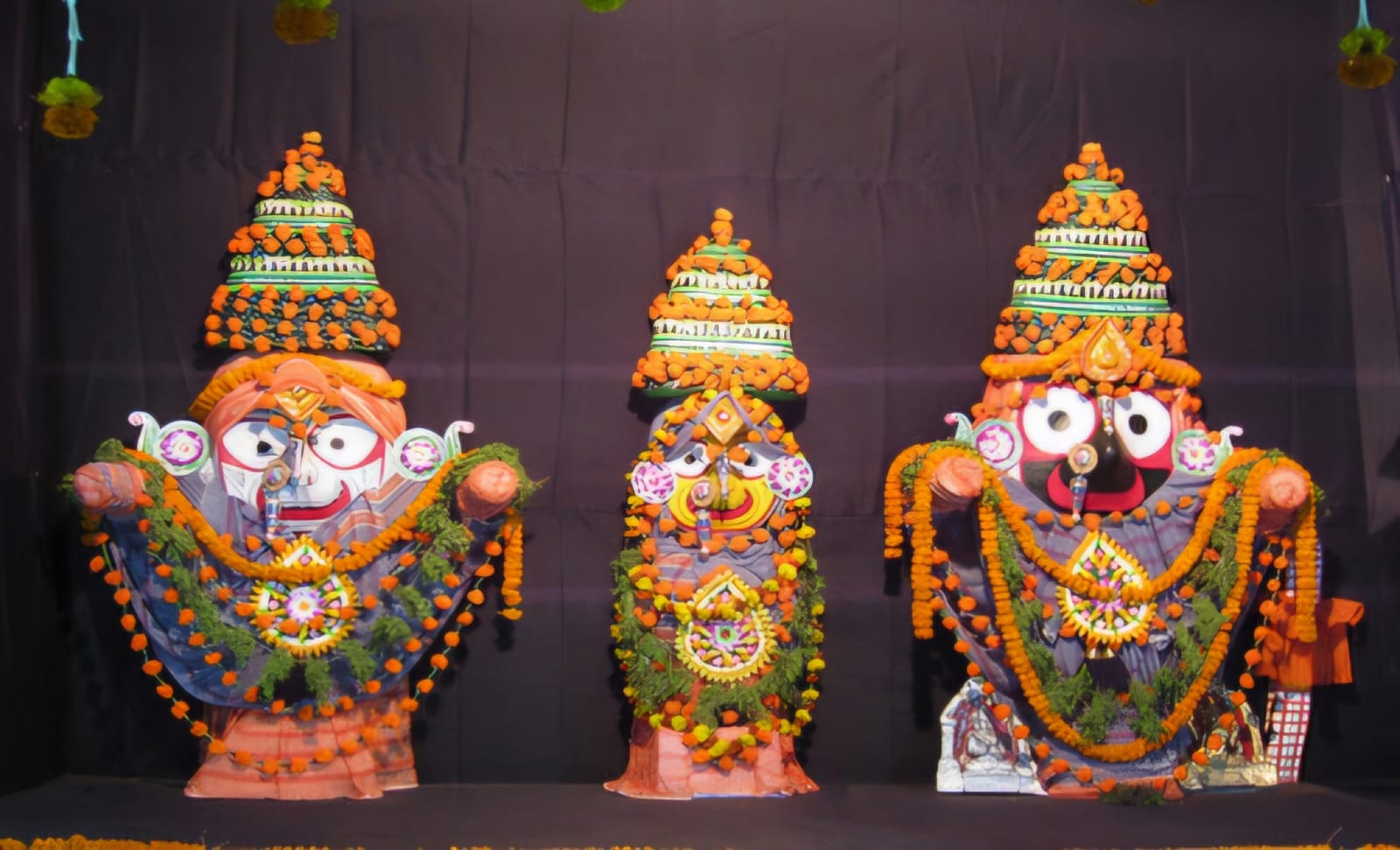
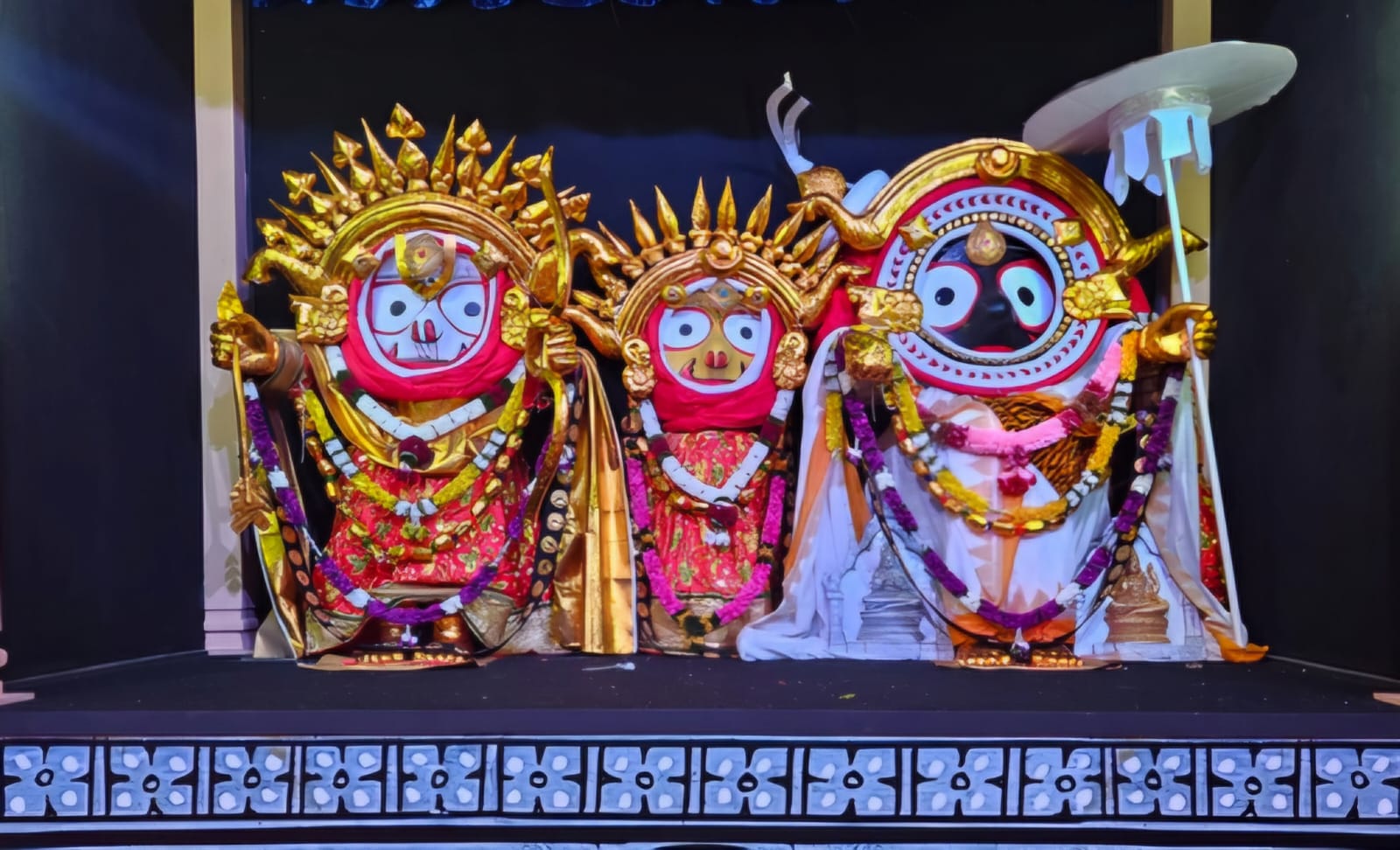
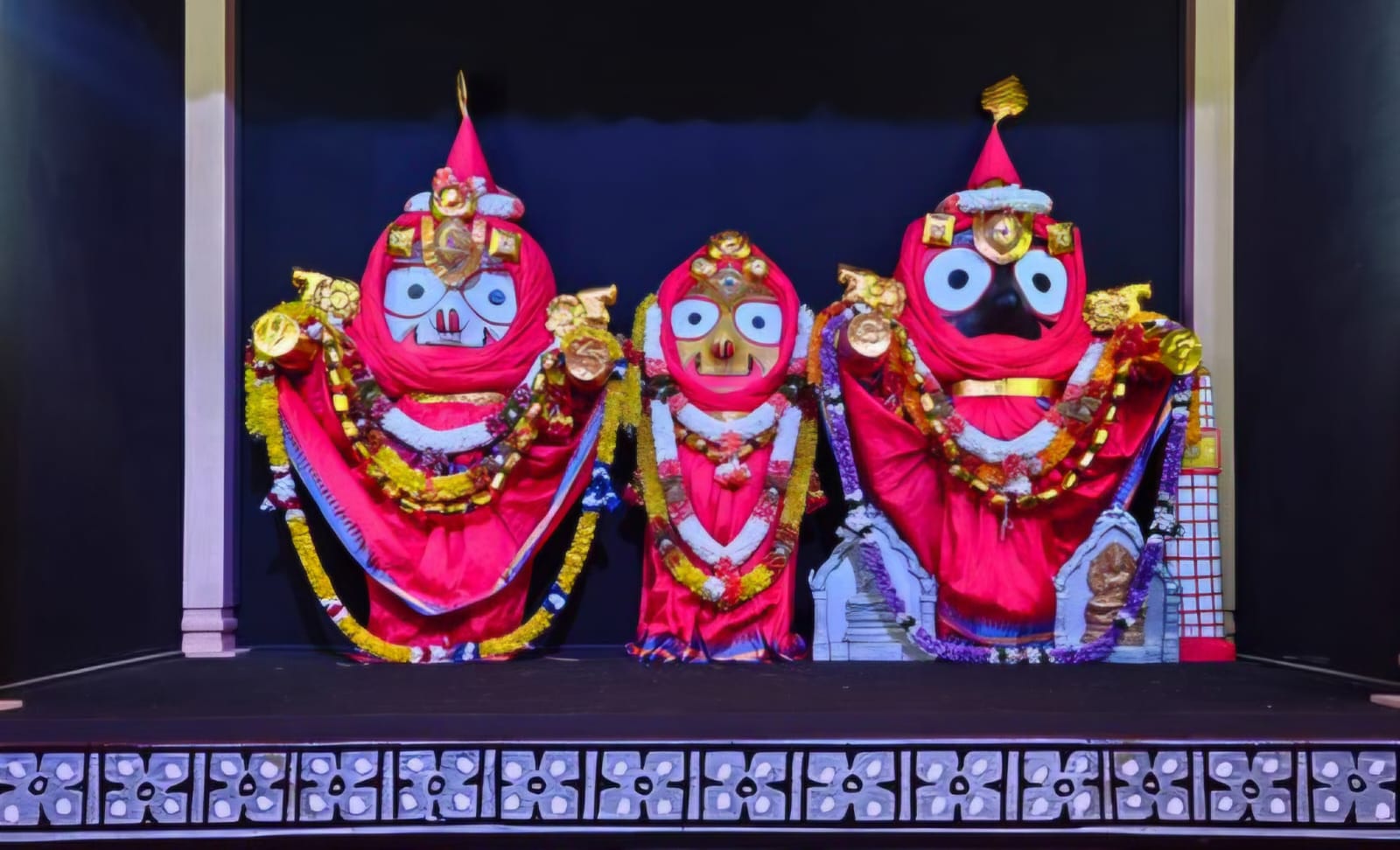
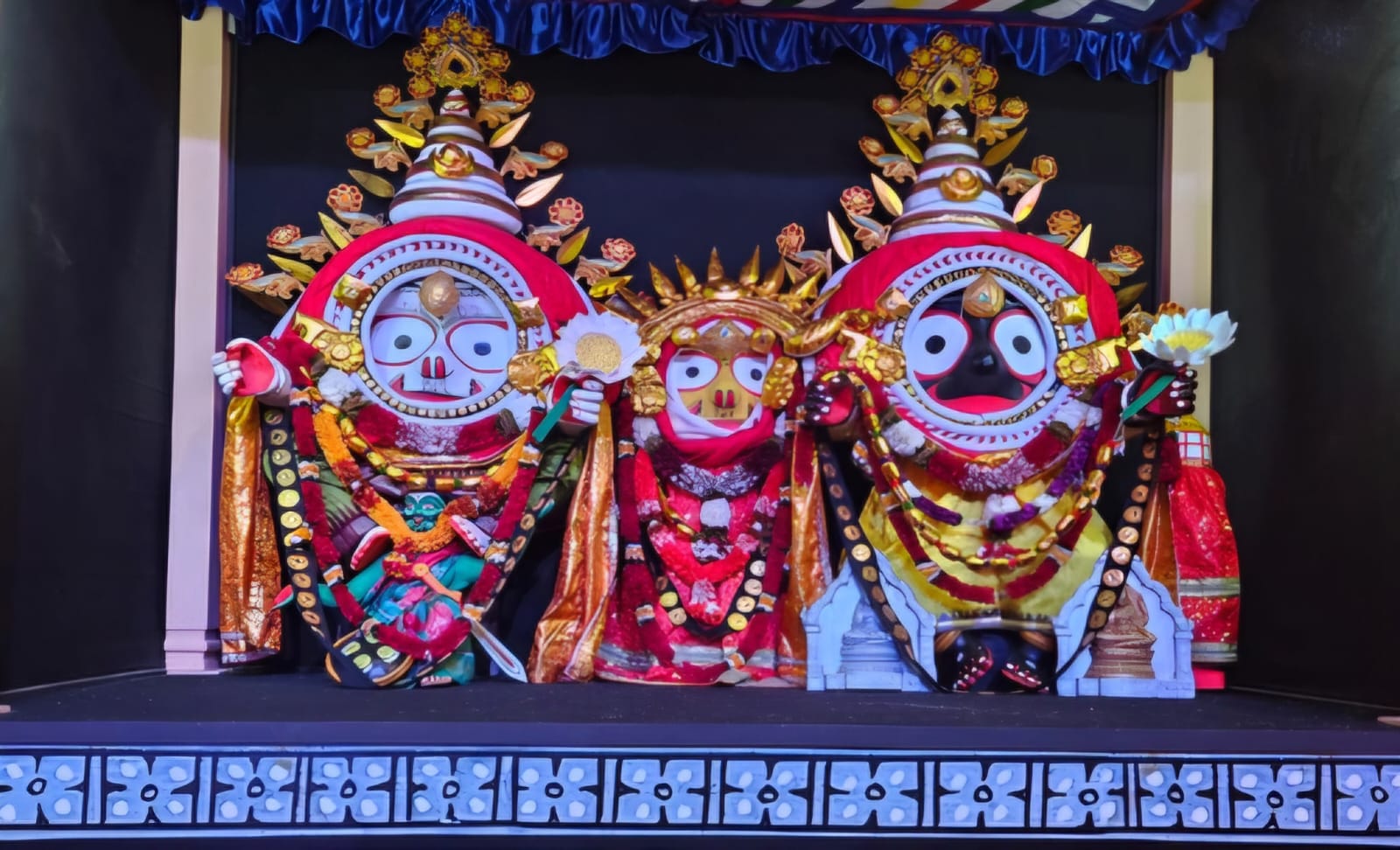
Pralambasura Badha Besha is a special attire of Lord Jagannatha observed at the Jagannath Temple. It represents the episode from the life of Lord Krishna and Balarama where the demon Pralambasura was killed. In this besha, the deities are decorated to depict the victory of Balarama over the demon. The besha symbolizes the triumph of good over evil and reminds devotees of the divine protection of the Lord.
When this Besha observed?
On the Dwadashi tithi of the Krishna Paksha in the month of Bhadra, the Pralambasura Vadha Besha of Lord Balabhadra observed in the Shree Mandir.
About Pralambasura Badha Besha:-
The story of Pralambasura is described in detail in the Tenth Skandha of the Srimad Bhagavatam. According to this description, the sacred land of Vrindavan on the bank of the Yamuna River was the playground of Balarama and Krishna, where they played together with the cowherd boys, cows, and calves. During one such time of play, a mock battle became part of their games.
Seeing the playful activities of Krishna, Balarama, and the cowherd boys, the demon Pralambasura came there in disguise as a cowherd boy. He had secretly planned, following the order of Kansa, to kill Krishna and Balarama. However, Krishna was already aware of his presence. Krishna then proposed a game called “Raja-Praja” (King and Subjects) to the cowherd boys. Hearing this, the boys happily agreed and made Krishna and Balarama the kings, while the rest became their subjects. Half of the boys joined Balarama’s side and the other half joined Krishna’s side.
In this game, they had to wrestle with each other. Balarama called the boys one by one by name to fight. There was also a rule for victory and defeat: whoever lost the match would have to carry the winner on his shoulders to a banyan tree called Bhandira.
Everyone agreed to the rule and the matches began. In one such match, Krishna fought with a cowherd boy named Dama and defeated him. As per the rule, Dama carried Krishna on his shoulders and took him to the banyan tree.
After that, Balarama fought with the disguised demon Pralambasura. Pralamba intentionally lost the match and carried Balarama on his shoulders. But instead of going to the designated banyan tree, he began moving swiftly through the sky. At that moment, Balarama shone brilliantly like lightning in a dark cloud.
Pralambasura’s intention was to kill Balarama and Krishna and receive a reward from King Kansa. Recognizing the deceitful demon, Balarama struck him on the head with a powerful fist like a thunderbolt. The demon’s head shattered into a hundred pieces, and he died near Govardhan Hill.
In remembrance of this incident, the Pralambasura badha Besha (the attire commemorating the killing of Pralambasura) is traditionally observed at the Jagannath Temple.
special features of Pralambasura Badha Besha :
Balabhadra as the Hero of the Besha
In this Besha, Lord Balabhadra is specially decorated to represent the moment when He killed the demon Pralambasura. This Besha highlights His strength and bravery.
Representation of the Demon Pralambasura
A symbolic form or depiction of Pralambasura is sometimes shown near Lord Balabhadra to illustrate the episode of the demon’s defeat.
Warrior Appearance of Balabhadra
Lord Balabhadra is adorned in a powerful warrior-like appearance, symbolizing the thunderbolt-like fist with which He destroyed the demon.
Connection with Krishna Leela
The Besha commemorates the childhood pastime of Krishna and Balabhadra in Vrindavan, where the demon entered the group of cowherd boys in disguise.
Observed on Bhadra Krishna Dwadashi
This Besha is performed on the Krishna Paksha Dwadashi of the Bhadra month, remembering the divine victory over evil.
Spiritual Message
The Besha symbolizes that truth and divine power always defeat deceit and evil, just as Balabhadra destroyed Pralambasura.
Keywords:
pralambasura vadha
leela
Tags:
leela
heroic