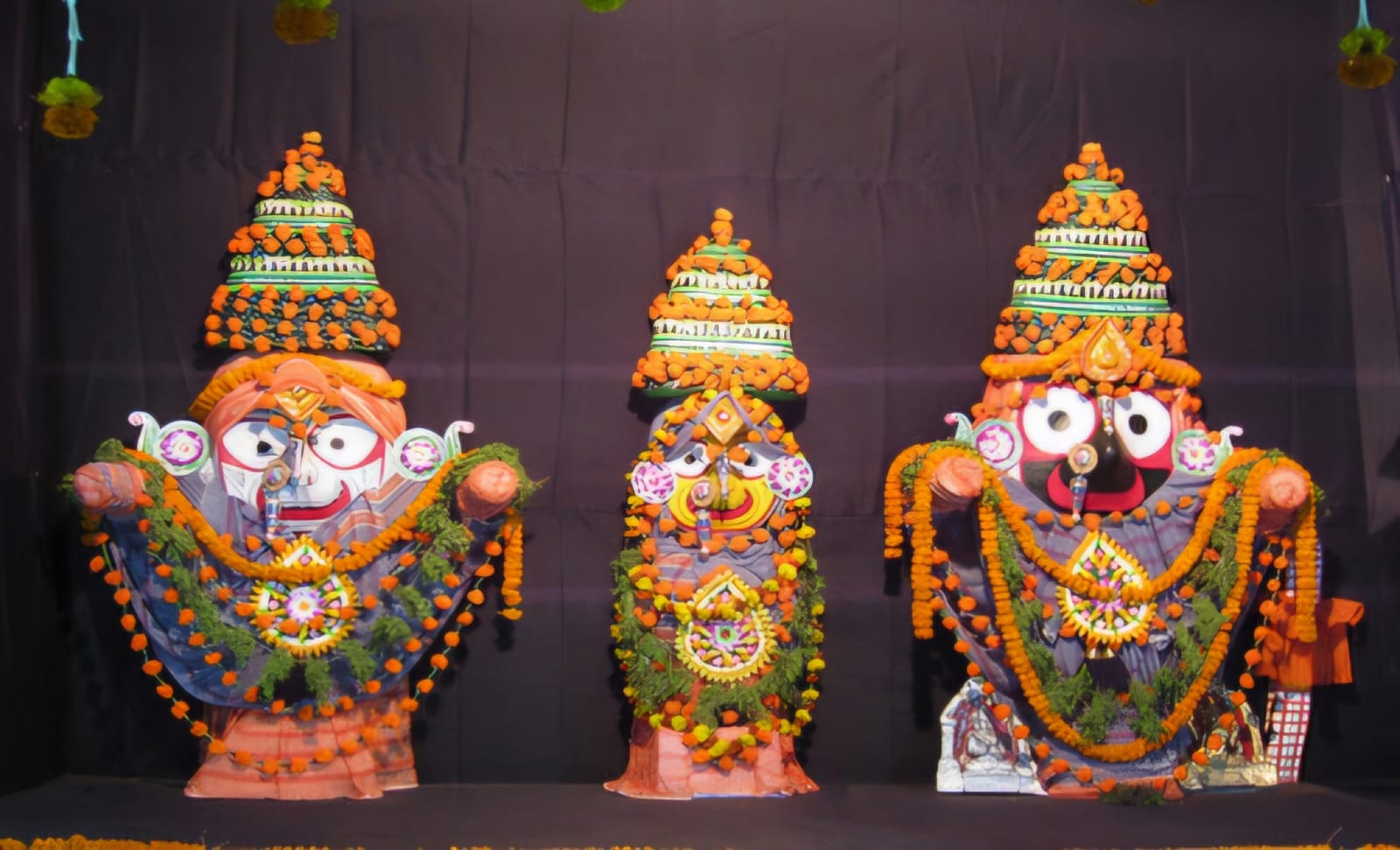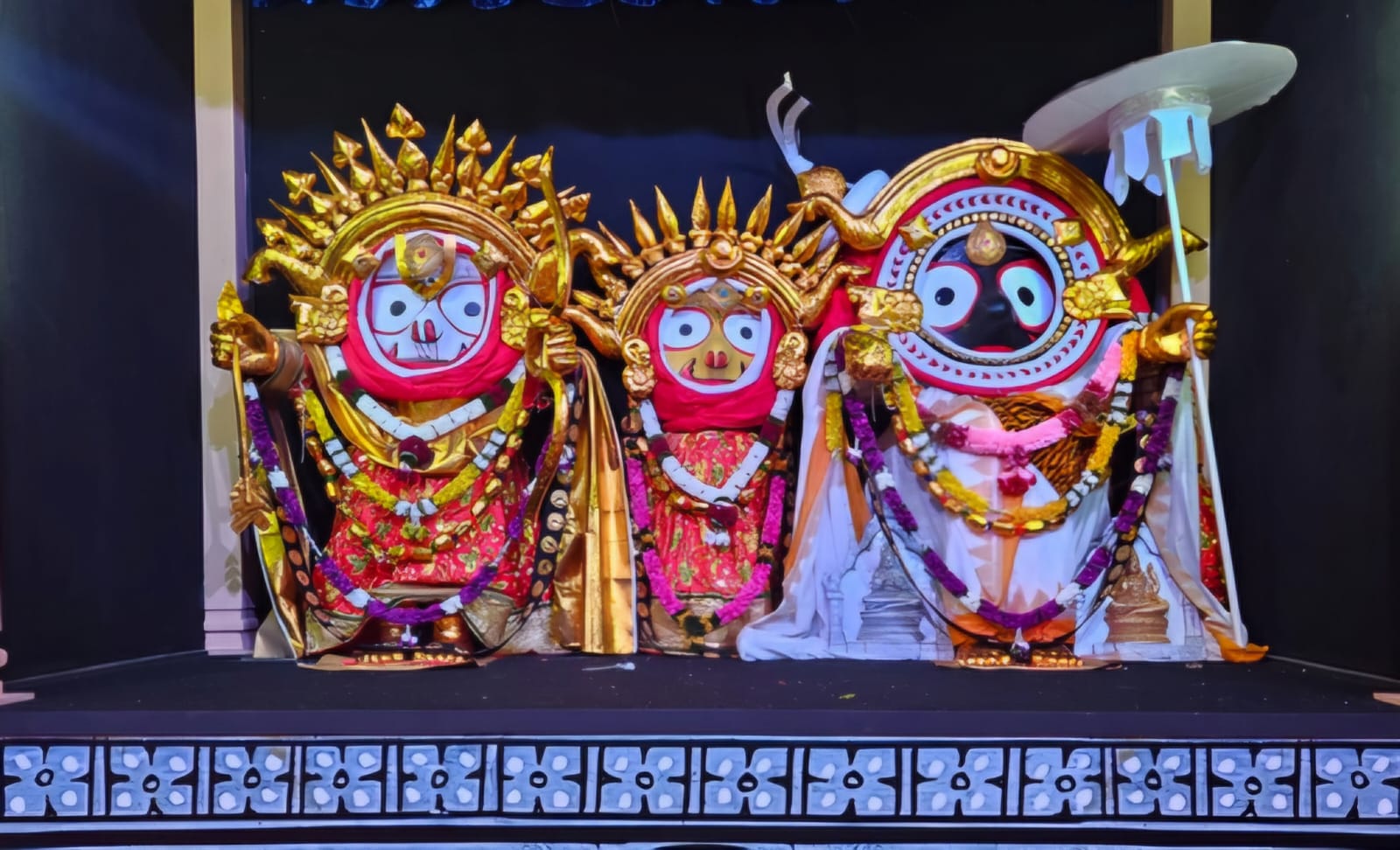
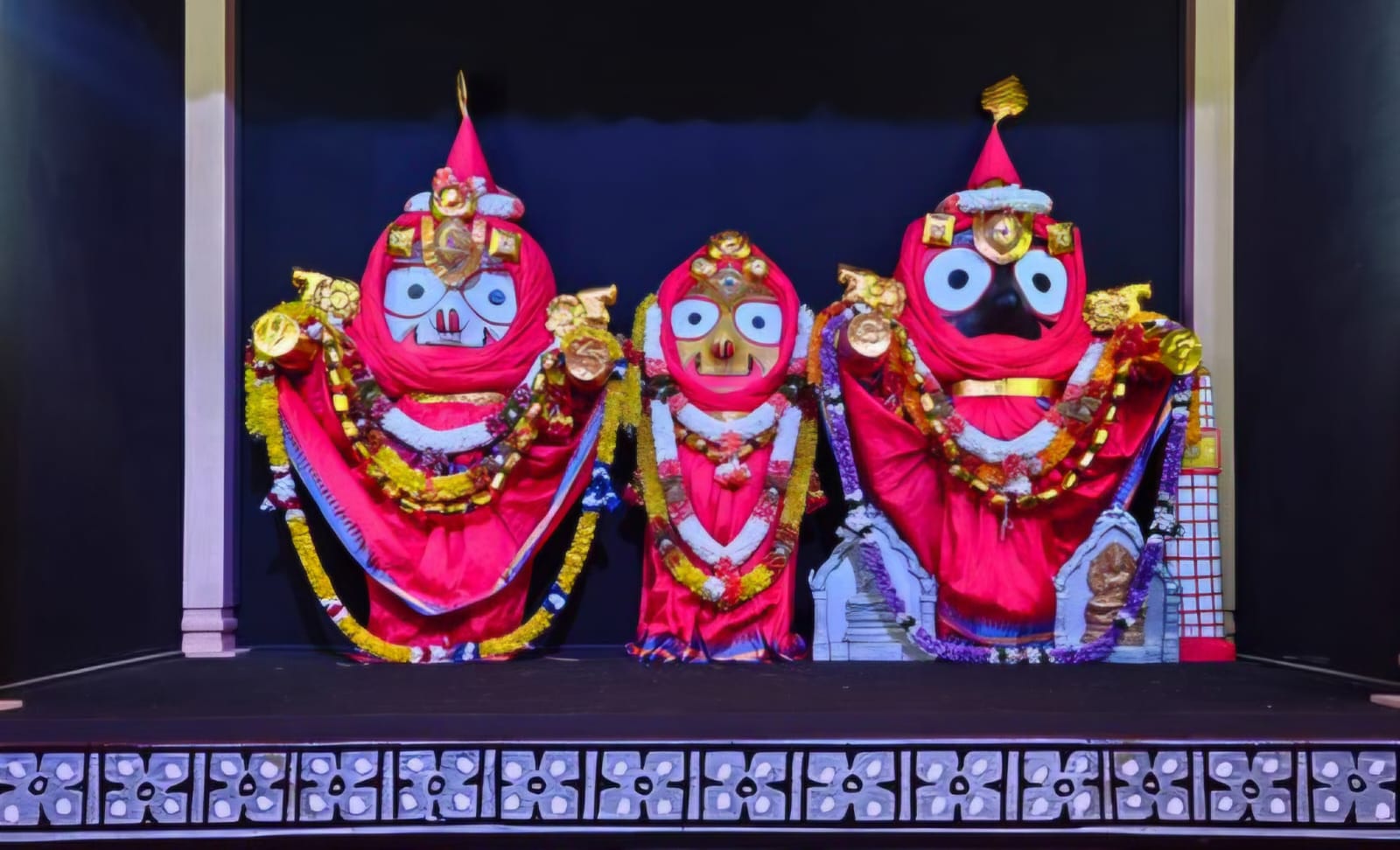
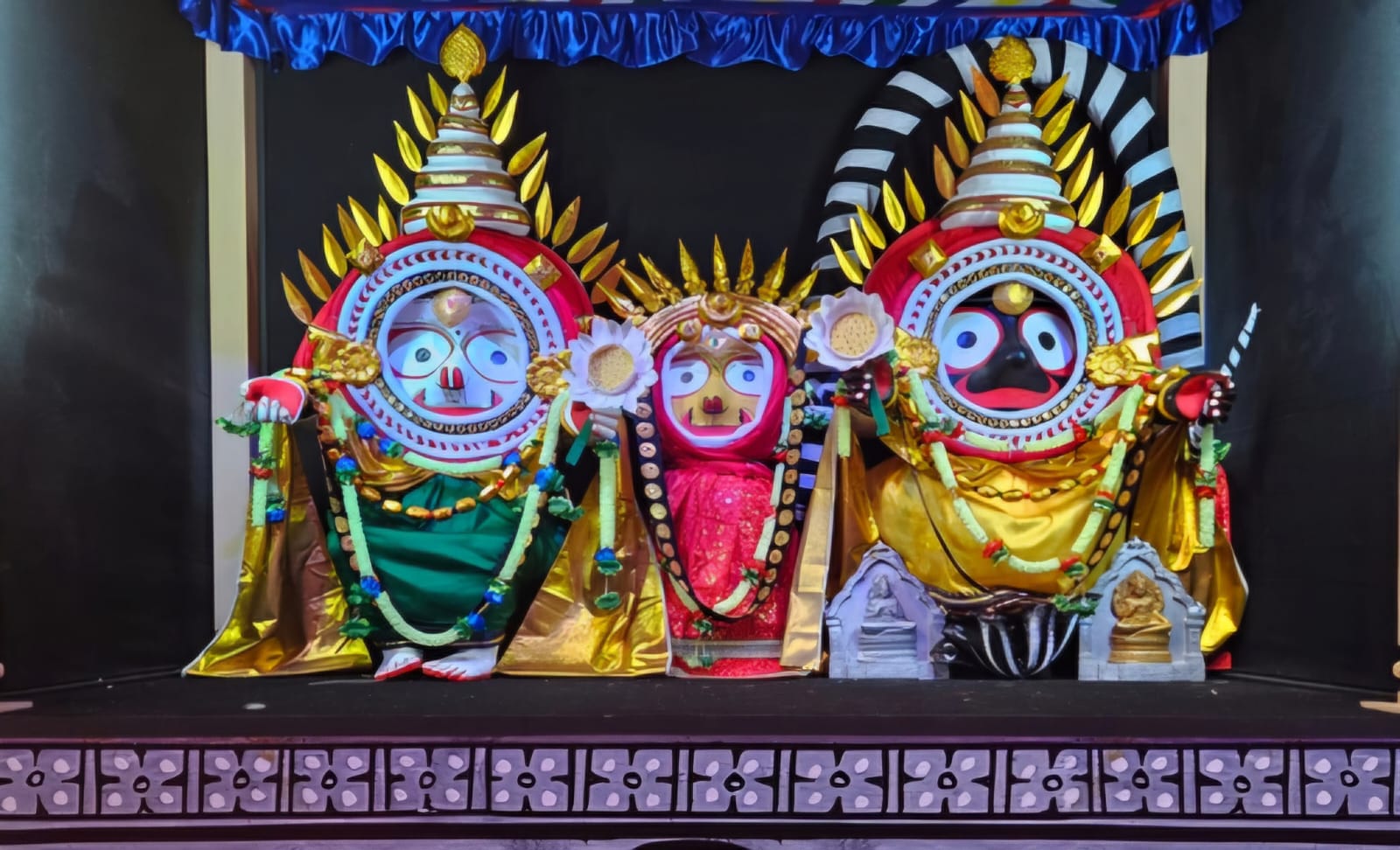
Kaliya Dalana Besha
Kaliyadalana Besha is a special attire of Jagannath at the Jagannath Temple Puri. In this Besha, the Lord represents Krishna dancing on the serpent Kaliya and defeating him. It symbolizes the victory of good over evil and the protection of devotees. This Besha reminds devotees of the divine power and bravery of the Lord.
When This Besha observed?
The Ekadashi that falls on the Krishna Paksha of the month of Bhadraba is known as Kaliya Dalana Ekadashi or Aja Ekadashi. It is also known by another name, Annada Ekadashi. On this day, in the Jagannath Temple, Jagannath is adorned in the Kaliya Dalana Besha (the attire representing the subduing of the serpent Kaliya). It is believed that by observing the Ekadashi fast on this day, all sins are destroyed.
About Kaliyadalana Besha :-
The history of Kaliyadalana Besha is connected with the story of Krishna and the serpent Kaliya. According to legend, the poisonous serpent Kaliya lived in the Yamuna River and troubled the people of Vrindavan. To protect everyone, Krishna jumped into the river, fought the serpent, and danced on Kaliya’s many heads. After being defeated, Kaliya surrendered and promised to leave the river. This victory of good over evil is remembered through Kaliyadalana Besha of Jagannath at the Jagannath Temple Puri.
Special features of Kaliyadalana Besha:
Representation of the Kaliya Episode
The besha depicts the famous story where Krishna dances on the heads of the poisonous serpent Kaliya.
In the decoration, Jagannath is shown standing or dancing over the serpent symbolizing victory of good over evil.
Serpent (Kaliya) Decoration
A multi-hooded serpent structure is placed below or around the deity.
The serpent symbolizes Kaliya Nāga, whom Krishna subdued to purify the river.
Krishna Form of Jagannath
Jagannath is dressed to resemble young Krishna (Bala Krishna).
Special ornaments, crown, and colorful clothes are used to emphasize the Krishna-lila aspect.
Colorful Floral and Cloth Artwork
The besha uses bright fabrics, flowers, and decorative elements to create the serpent and river scene.
The artistic arrangement is done by temple servitors.
Symbolic Meaning
Represents removal of poison and evil from the world.
Symbolizes divine protection and purification, just as Krishna purified the Yamuna.
Keywords:
kaliya dalana
serpent
Tags:
leela
victory